It has since told BIRN that the goal of the collaboration is to provide training in five areas of journalism – digital journalism, multimedia production, marketing and social media, media law and ethics, and data analysis. War reporting is also part of the project.
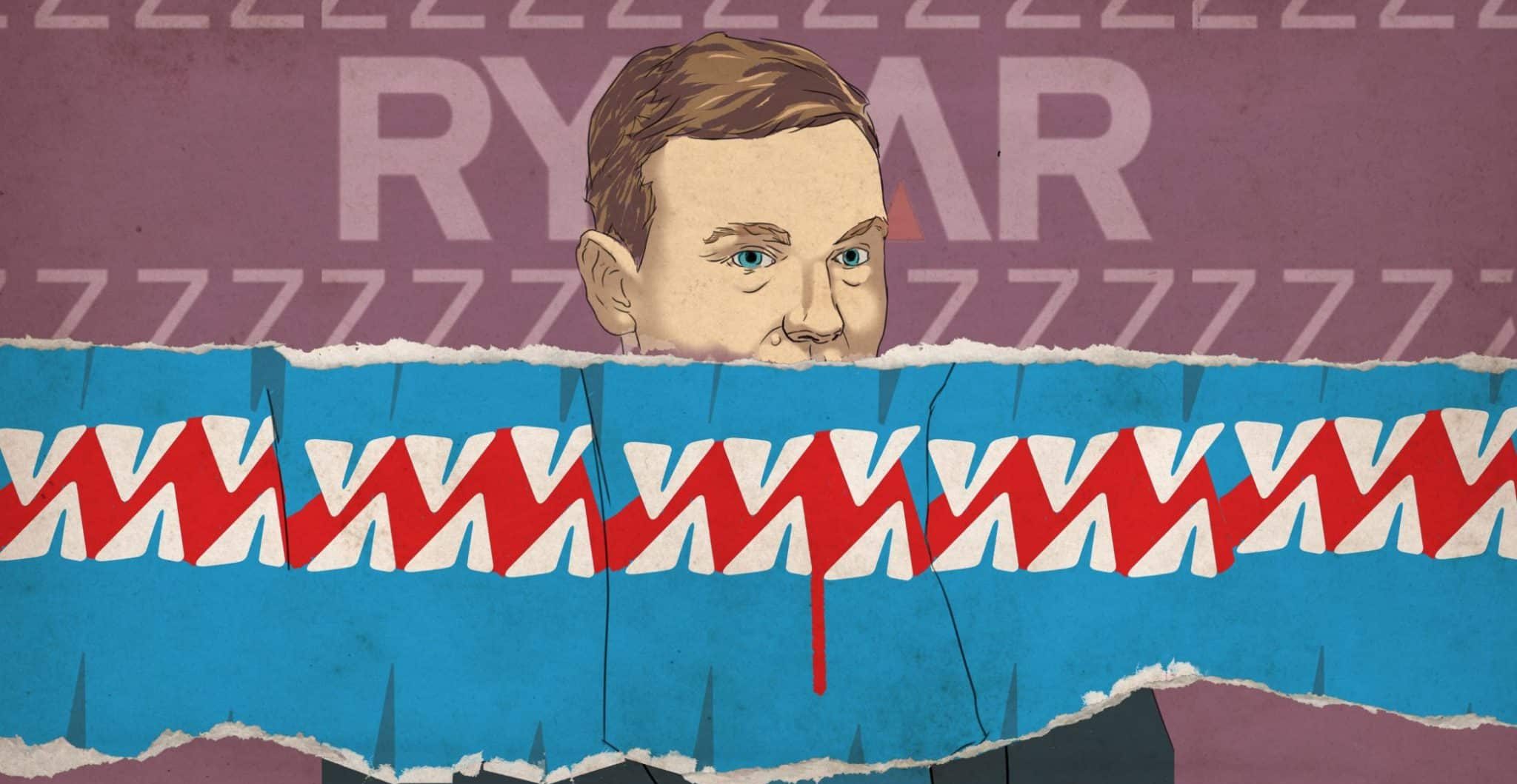
“The idea of opening this type of school was proposed by the Rybar media organisation during a presentation of its capacities and possible models of cooperation,” the agency said.
It compared the project to those involving EU support for local media in Bosnia and elsewhere in the Balkans. Zvinchuk, however, has been under EU sanctions since 2023 for allegedly spreading “disinformation and pro-Russian propaganda”.
He also sits on a working group set up by Russian President Vladimir Putin in December 2022 to coordinate Russia’s mobilisation efforts in support of the war in Ukraine.
“Any cooperation between him, his associates and the Republika Srpska authorities would not only be unacceptable, but a clear violation of the existing EU sanctions to which Bosnia and Herzegovina has also committed,” Petar Stano, an EU spokesperson for foreign affairs and security, told BIRN.
The United States also has Rybar and Zvinchuk in its sights. The US State Department last month offered a $10 million reward for intelligence on Rybar over allegations that it was involved in interference in the American presidential elections intended to “sow discord, promote social division, stoke partisan and racial discord, and encourage hate and violence”.
Ryber, which is reported to have more than 1.3 million followers on Telegram, tried to “bolster Russia’s military capabilities and advance pro-Russian and anti-Western narratives”, said a statement on the State Department’s Rewards for Justice website. Zvinchuk was one of nine named individuals about whom the US is seeking information.

US Government Rewards for Justice poster seeking information on Rybar.

Mikhail Zvinchuk Photo: US Government Rewards for Justice website.
‘Rybar is dangerous’
In an automated response to a BIRN application to attend the media school in Republika Srpska, Rybar said that “the school in the Balkans will open soon”. It specified that recruitment was underway for online Serbian-language training.
Rybar says it plans to hold regular master classes addressed by authors of Russian Telegram channels.
“Our goal is to show that one can do without Twitter/X, Facebook and Instagram,” the channel said in April. “Russia’s experience in information warfare can and should be taken into account. Telegram is a platform that enables this for you.”
“We have long studied the approaches of the West in waging information warfare against us. The time has come to apply our knowledge and train our associates in the right approaches and attract them to Telegram.”
During his visit to the Balkans earlier this year, Zvinchuk also held a number of lectures in Belgrade.
Analyst and digital forensics expert Natasa Kilibarda said Rybar claimed at the time that among those who attended the lectures were journalists, PR professionals and civil servants, “which in itself is extremely problematic”.
Kilibarda cited “suspicions” that Rybar – with 1.3 million followers – is funded by the Kremlin.
“Traces are visible in terms of not only the narrative but also the approach and provision of information,” she told BIRN.
Olena Churanova, a Kyiv-based journalist for StopFake, which tracks disinformation, stressed that Zvinchuk is a former Russian army officer and speculated that Rybar is fed information from the Russian Defence Ministry.
“Rybar is dangerous because it looks like a reliable source of information about the Russian side on the Ukrainian battlefield,” Churanova said.
According to the Republika Srpska’s public broadcaster, Zvinchuk was first brought to Bosnia by the Centre for Socio-Political Research, which was founded by the Republika Srpska government.
The centre’s director, Dusan Pavlovic, declined to discuss the details of Zvinchuk’s visit.
“The media outlet for which you work is compromised in a professional sense because it has been made public that you cooperate with foreign structures whose agendas are not well-intentioned for building and preserving coexistence and stability in Bosnia and Herzegovina,” Pavlovic told BIRN.
Rybar did not respond to a request for comment.